The Complete Guide to Glaucoma:
Types, Symptoms, Risks, Cost, and Recovery
What is Glaucoma?
Glaucoma is a progressive eye disease that damages the optic nerve, often linked to elevated intraocular pressure (IOP). It usually develops slowly and without clear symptoms in the early stages, which is why it’s often called the “silent thief of sight.” Without timely diagnosis and treatment, glaucoma can lead to permanent vision loss.
How Does Glaucoma Develop?
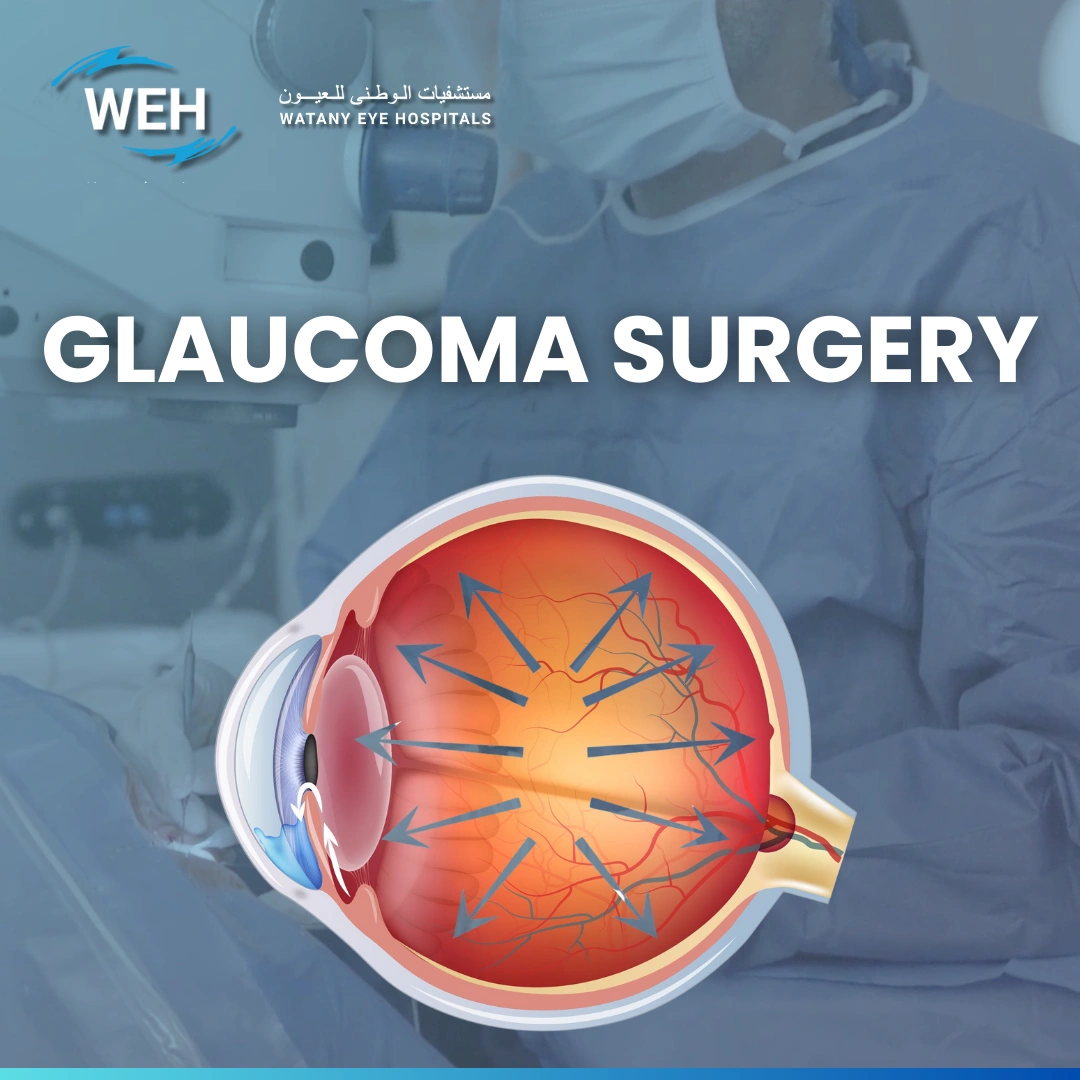
Glaucoma occurs when the aqueous humor (the fluid inside the eye) cannot drain properly through the trabecular meshwork and Schlemm’s canal. This disruption increases intraocular pressure and places stress on the optic nerve. Over time, this pressure damages the nerve fibers responsible for vision.
Who is at Risk of Glaucoma?
Anyone can develop glaucoma, but certain groups are at higher risk, including:
- People over the age of 40.
- Those with a family history of glaucoma.
- Patients with diabetes, high blood pressure, or cardiovascular disease.
- People with thin corneas or high eye pressure.
- Long-term users of steroid medications.
Types of Glaucoma
Knowing the type helps determine the appropriate treatment and the expected rate of progression.
1. Open-Angle Glaucoma
- The most common form of glaucoma.
- Develops slowly and chronically, often without early symptoms.
- Diagnosis relies on optic nerve evaluation, intraocular pressure (IOP) measurement, and visual field testing.
2. Angle-Closure / Acute Angle-Closure Glaucoma
- May occur suddenly, presenting with severe eye pain, redness, nausea, and halos around lights.
- Considered an ophthalmic emergency that requires immediate intervention to reduce IOP, often with procedures like laser peripheral iridotomy.
3. Congenital Glaucoma
- Appears at birth or in early childhood due to developmental abnormalities in the drainage angle.
- Requires early corrective surgery and is often associated with symptoms such as constant tearing or an enlarged cornea.
4. Secondary Glaucoma
- Caused by another condition such as uveitis, intraocular hemorrhage, long-term corticosteroid use, or post-surgical complications.
5. Normal-Tension Glaucoma
- This occurs when the optic nerve is damaged despite the eye pressure remaining within the “normal” range. It requires an assessment of the optic nerve’s blood supply and the patient’s vascular condition.
Symptoms of Glaucoma
Most cases of open-angle glaucoma begin without noticeable symptoms, which is why diagnosis depends heavily on regular eye examinations. Below are the main stages and possible signs noticed by the patient or the ophthalmologist:
- Early stage: Often no obvious symptoms; subtle optic nerve changes or visual field defects are detected during routine exams.
- Moderate stage: Gradual loss of peripheral vision; patients may report difficulties with driving or describe their sight as “narrowing.”
- Advanced stage: Significant central or partial vision loss, reading difficulties, and increasing dependence on others.
- Acute angle-closure glaucoma: Sudden onset with severe pain, eye redness, nausea/vomiting, blurred vision, and halos around lights — a medical emergency requiring immediate care.
Important note for parents and patients: Any sudden visual changes or severe ocular pain should prompt urgent medical evaluation.
Early Detection of Glaucoma – Why and How?
Early detection is the single most important factor in preserving vision since optic nerve damage cannot be reversed. Regular screening enables timely intervention before permanent vision loss occurs.
Essential diagnostic tests include:
- Tonometry: Measuring intraocular pressure (IOP) using techniques like Goldmann applanation or non-contact tonometry.
- Optic Nerve Head Assessment: Using slit-lamp biomicroscopy.
- Visual field test (Perimetry): Identifies early peripheral vision loss.
- OCT (Optical Coherence Tomography): Measures retinal nerve fiber layer (RNFL) thickness and monitors progression.
- Gonioscopy: Examines the drainage angle to classify the glaucoma as open or closed angle.
Practical advice: Routine eye exams after age 40, or earlier for those with risk factors (family history, diabetes, or previous eye trauma).
Check Your Vision Today
Get in touch with us through our hotline or WhatsApp
Hotline
16112Treatment Options for Glaucoma
The primary goal of glaucoma treatment is to lower intraocular pressure (IOP) and protect the optic nerve. The choice of treatment depends on the type of glaucoma, disease severity, and patient response.
A. Medical Therapy (Eye Drops & Medications)
- Prostaglandin Eye Drops: Help the eye drain excess fluid
- Beta-Blockers: inhibit aqueous production
- Alpha-Agonists: Have a dual effect (reduce fluid production and improve drainage).
- Carbonic Anhydrase Inhibitors: suppress aqueous production (available as drops or tablets).
- Rho-Kinase Inhibitors: A new type of eye drops that help lower eye pressure.
Patient compliance with prescribed drops is critical for success; side effects (dryness, irritation, drug interactions) must be monitored.
B. Laser Therapy
- Selective Laser Trabeculoplasty (SLT): Common and effective for open-angle glaucoma, either as first-line or when drops fail. The surgeon uses a laser to create small openings in the drainage system of the eye. This allows fluid to drain more easily and lowers IOP.
- Argon Laser Trabeculoplasty (ALT): An older but effective technique
- Laser Peripheral Iridotomy (LPI): Used in angle-closure glaucoma as a preventive or emergency measure. It creates a small hole in the iris, which allows fluid to circulate more freely and prevents the iris from blocking the drainage channels.
- Cyclophotocoagulation (CPC): CPC is used to reduce the production of aqueous humor, the fluid that fills the front of the eye. CPC is typically used in people with advanced glaucoma or who have not responded to other types of treatment.
C. Conventional Surgery:
- Trabeculectomy: A small opening is created to drain fluid from the eye. It is an effective procedure but requires careful follow-up to prevent scar formation.
- Deep sclerectomy: A non-penetrating surgery where the surgeon removes thin layers of the outer part of the eye (sclera) to gently enhance fluid drainage without fully opening into the eye, reducing risks of complications compared to trabeculectomy.
- Glaucoma drainage implants (tubes or valves): Small devices are implanted to help drain fluid from the eye. These are usually used when the first surgery fails or in certain special cases.
D. Minimally Invasive Glaucoma Surgery (MIGS):
These are precise, less invasive surgeries aimed at lowering eye pressure with fewer risks and a faster recovery. Examples: iStent, Hydrus Microstent, XEN Gel Stent.
When Is Surgery Indicated for Glaucoma?
Surgical intervention is considered when other treatment options are no longer effective or feasible. The main indications include:
- Inadequate IOP control: Eye pressure remains elevated despite maximum tolerated medication or laser therapy.
- Advanced optic nerve damage: Evidence of progressive optic nerve deterioration or rapid visual field loss.
- Medication-related issues: Poor adherence to prescribed drops or intolerable side effects preventing continued use.
- Acute angle-closure crisis: An emergency scenario that requires immediate surgical correction to restore drainage.
Benefits of Early Treatment
- Preserves remaining vision.
- Prevents further optic nerve damage.
- Reduces the risk of complete vision loss.
- Improves quality of life and independence.
Risks and Complications
Untreated glaucoma can lead to:
- Permanent vision loss.
- Central vision impairment.
- Blindness in advanced cases.
Even after treatment, side effects may occur, but choosing an experienced surgeon and following post-treatment instructions greatly reduces risks.
Preparing for Glaucoma Treatment
Before starting treatment or undergoing surgery, patients may need:
- A comprehensive eye exam.
- Measurement of intraocular pressure and corneal thickness.
- Visual field and OCT scans.
- Medical history review, especially regarding diabetes, blood pressure, or medications.
What to Expect During Surgery
If surgery is needed, the procedure typically involves:
- Local anesthesia to ensure comfort.
- Creating a new drainage channel or implant to relieve pressure.
- The operation usually takes 30–60 minutes.
- Most patients can go home the same day.
Recovery After Glaucoma Surgery
- Temporary blurred vision or mild discomfort is common.
- Use of prescribed eye drops to prevent infection and control inflammation.
- Avoid rubbing the eyes or heavy physical activity during recovery.
- Regular follow-up visits are essential to monitor healing and IOP.
Choosing the Right Glaucoma Consultant
Glaucoma management requires ongoing monitoring and experience. Choosing a skilled ophthalmologist ensures:
- Accurate diagnosis.
- Tailored treatment plans.
- Advanced technology for better outcomes.
Latest Technologies in Glaucoma Care
- Modern MIGS Surgeries:
These are advanced surgical techniques for treating glaucoma, aiming to:
- Lower eye pressure safely and more gently than traditional surgeries.
- Make very small incisions that cause minimal tissue damage.
- Reduce recovery time and potential complications.
- Laser treatments as first-line therapy.
- High-resolution OCT imaging for early detection.
Success Stories and Patient Experiences
Many patients treated for glaucoma maintain good vision and an active lifestyle thanks to early detection and modern treatments. Sharing these experiences offers hope and reassurance to newly diagnosed patients.
check our youtube channel for Watany patient testimonials
Frequently Asked Questions About Glaucoma
1) Can glaucoma be completely cured?
No, glaucoma cannot be completely cured because the damage to the optic nerve is irreversible. However, the disease can be controlled, and further vision loss can be prevented if detected early and treated consistently.
2) Does glaucoma always lead to blindness?
Not necessarily. If diagnosed early and the patient follows treatment and regular check-ups, vision can be preserved for many years, preventing blindness. The risk increases mainly in neglected or late-stage cases.
3) Is surgery necessary for all cases?
No. Most patients start with medication (such as eye drops or tablets). Surgery or laser treatment is only needed if medications fail to control eye pressure or if there is an urgent need.
4) Can lifestyle changes help control the disease?
Yes, certain healthy habits can help, such as:
- Regular light exercise.
- Avoiding smoking and alcohol.
- Eating a balanced diet rich in fruits and vegetables.
- Adhering to medications for blood pressure and diabetes if applicable.
However, these measures do not replace medical treatment, they support it.
Conclusion
Glaucoma is a serious but manageable condition when detected early. Regular check-ups, advanced treatments, and following medical advice can protect vision and prevent blindness.
Check Your Vision Today
Get in touch with us through our hotline or WhatsApp
Hotline
16112External Source:
To learn more, visit Mayo Clinic - Glaucoma For Glaucoma Surgery