The Ultimate Guide to Eyelid, Orbital, and Lacrimal Surgeries
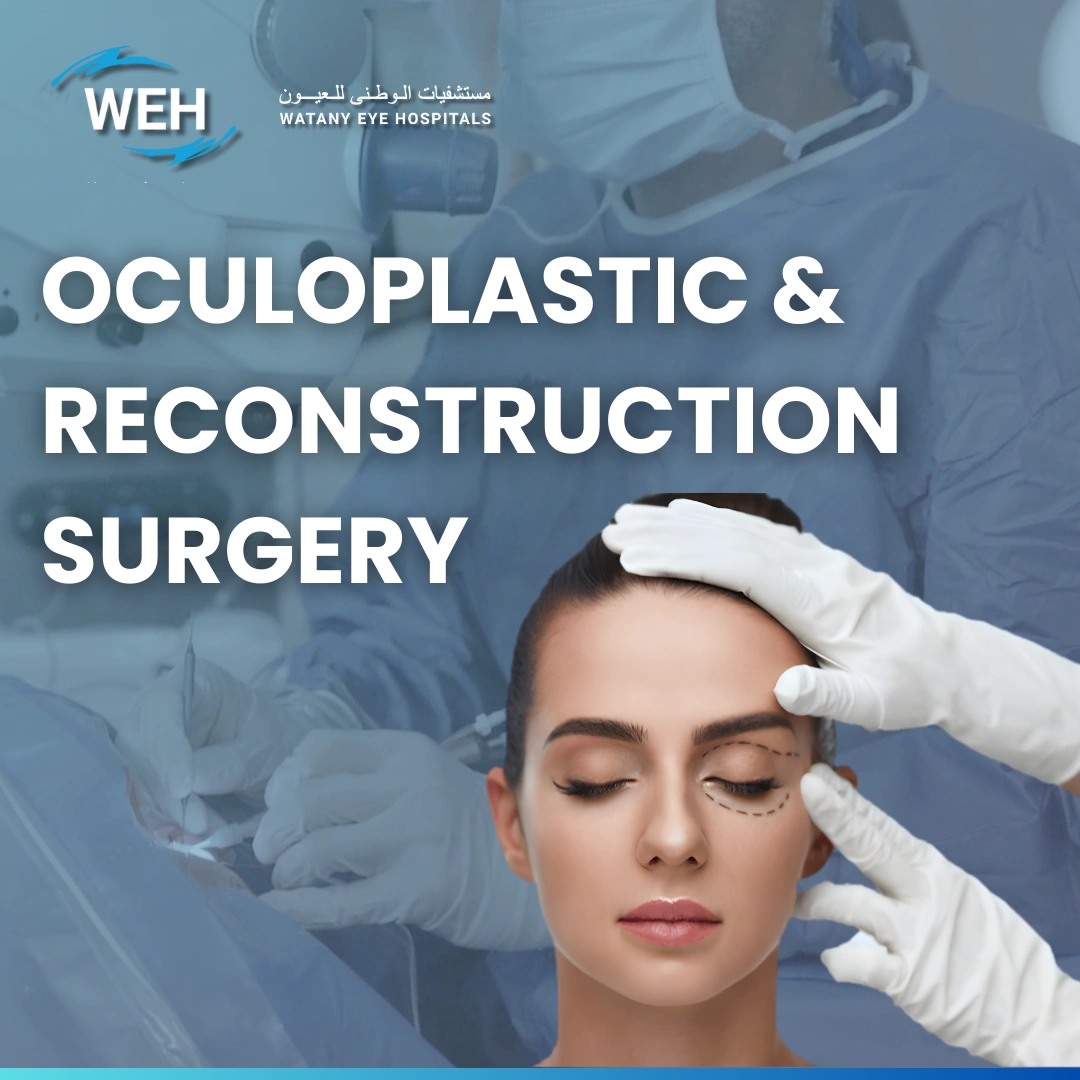
Eyelid, orbital, and lacrimal surgeries are among the most advanced fields in oculoplastic and reconstructive eye surgery. Their importance goes beyond cosmetic enhancement; they also play a vital role in preserving vision and correcting medical conditions that affect eye health and quality of life.
These procedures include eyelid surgery (Blepharoplasty) to correct droopy eyelids and puffiness, orbital surgery to treat conditions affecting the bony eye socket, and lacrimal system surgery to manage blocked tear ducts and restore normal tear drainage.
With modern techniques, these surgeries provide precise results while minimizing recovery time and potential complications.
What Is Eyelid Surgery (Blepharoplasty)?
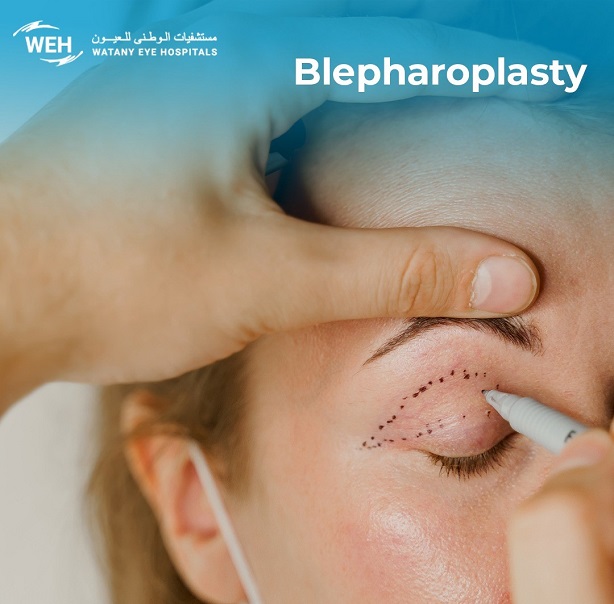
Blepharoplasty, also known as eyelid cosmetic surgery, is a surgical procedure designed to correct sagging upper eyelids or puffy lower eyelids. It is one of the most common procedures in oculoplastic surgery.
Benefits of Eyelid Surgery Include:
-
Enhancing the cosmetic appearance of the eyes and face
-
Correcting functional issues such as impaired vision caused by droopy upper eyelids
-
Removing excess skin or fat deposits that lead to puffy eyes
Types of Blepharoplasty:
-
Upper eyelid surgery: Treats droopy lids that may obstruct vision
-
Lower eyelid surgery: Removes puffiness and under-eye bags
-
Combined procedures: Address both upper and lower eyelids simultaneously
The procedure is usually performed under local anesthesia, is highly precise, and provides natural-looking results with a relatively short recovery time.
Indications for Eyelid Surgery (Blepharoplasty)
Patients (man or woman) may choose blepharoplasty for either cosmetic or medical reasons. Eyelid drooping is not only an aesthetic issue but can also interfere with proper eye function.
Cosmetic Reasons Include:
-
Restoring a younger, fresher look to the eyes
-
Eliminating the appearance of “tired eyes” or persistent under-eye puffiness
-
Improving overall facial and eye symmetry
Medical Reasons Include:
-
Drooping upper eyelids that obstruct the visual field
-
Difficulty keeping the eyes fully open, affecting daily activities
-
Frequent eye irritation caused by excess skin rubbing against the surface of the eye
In short, blepharoplasty is more than a cosmetic solution; it can be an essential step toward better vision and quality of life.
Check Your Vision Today
Get in touch with us through our hotline or WhatsApp
Hotline
16112Types of Blepharoplasty
Eyelid surgery can be performed using different approaches, depending on the patient’s condition and treatment goals. The surgeon selects the most suitable technique after a detailed evaluation.
Upper Eyelid Surgery
-
Removes excess skin or fat causing droopy eyelids
-
Improves both vision field and overall eye appearance
Lower Eyelid Surgery
-
Targets under-eye bags and puffiness caused by fat deposits
-
Restores a youthful and refreshed look
Combined Blepharoplasty
-
Corrects both upper and lower eyelids in a single procedure
-
Recommended for patients with advanced sagging
Orbital Surgery: When and Why?
The orbit is the bony cavity and soft tissue surrounding the eye, responsible for its protection and movement.
Orbital surgery is performed to treat various conditions affecting both function and appearance, such as:
Orbital Tumors
-
Can be benign or malignant
-
Surgery aims to remove the tumor while preserving vision and eye function
Orbital Fractures
-
Usually caused by trauma or accidents
-
Surgical reconstruction restores bone structure and eye alignment
Thyroid Eye Disease (Graves’ Orbitopathy)
-
A complication of thyroid disorders
-
May cause bulging eyes or double vision
-
Surgery relieves pressure and repositions the eye
Congenital & Acquired Deformities
-
Includes birth defects or complications from previous surgeries
-
Corrective surgery improves both appearance and ocular function
Orbital surgery is essential for restoring eye health, function, and aesthetics.
Lacrimal System Surgery: When Is It Needed?
The lacrimal system plays a vital role in producing and draining tears to maintain eye hydration and clear vision.
When this system is blocked or damaged, patients may experience excessive tearing (Epiphora), recurrent infections, or persistent irritation.
Key Conditions Requiring Lacrimal Surgery Include:
-
Nasolacrimal Duct Obstruction (NLDO):
Causes tear stagnation and frequent infections.
The most common surgical treatment is Dacryocystorhinostomy (DCR), which creates a new drainage pathway into the nasal cavity. -
Dacryocystitis (Infection of the Lacrimal Sac):
Painful and recurrent; requires surgery after initial antibiotic treatment. -
Congenital Lacrimal Obstruction:
Common in children; may need probing, dilation, or endoscopic surgery if the blockage persists. -
Trauma or Tumors:
Facial injuries can disrupt tear drainage.
Rare lacrimal tumors require surgical excision.
Lacrimal surgeries are not only about tear management—they are crucial for maintaining ocular comfort and corneal health.
Latest Techniques in Eyelid, Orbital & Lacrimal Surgeries
Recent years have witnessed remarkable advances in eyelid, orbital, and lacrimal surgeries, combining precision, safety, and natural results. At Watany Eye Hospitals, surgeons use the most advanced technologies to ensure both functional and aesthetic excellence.
Blepharoplasty
-
Under-eye bags, hollows, and dark circles are addressed using fat transfer, fillers, internal eyelid access, and resurfacing techniques
-
Laser-assisted, non-incisional lower eyelid blepharoplasty is now possible
-
Hidden-incision techniques, adjunct lasers, and non-surgical fillers are increasingly used
Eyelid and Periocular Reconstruction
-
Repair of traumatic eyelid lacerations, burns, and tissue defects
-
Tumor excision and reconstruction (basal cell carcinoma, sebaceous gland carcinoma, melanoma)
-
Ptosis correction (levator, Müller’s, or frontalis sling procedures)
-
Ectropion and entropion repair
Orbital Surgery
-
Orbital decompression for thyroid eye disease
-
Biopsy or excision of orbital tumors
-
Management of orbital fractures with plates, meshes, and navigation systems
-
Enucleation or evisceration with orbital implants
-
Drainage of orbital infections and abscesses
Lacrimal (Tear Drainage) Surgery
-
External or endoscopic DCR
-
Canalicular repair after trauma
-
Management of congenital nasolacrimal duct obstruction
Facial Nerve and Reanimation Surgery
-
Management of facial palsy (gold weights, lid springs, muscle transfer)
-
Restoration of eyelid closure
-
Collaboration with neurology and ENT teams
Get in touch with us through our hotline or WhatsAppCheck Your Vision Today
Hotline
16112
WhatsApp
Chat on WhatsApp
Success Stories and Patient Experiences
At Watany Eye Hospitals, real patient stories highlight the transformative impact of eyelid, orbital, and lacrimal surgeries. These journeys go beyond medical results; they reflect renewed confidence, comfort, and vision clarity.
check our youtube channel for Watany patient testimonials
FAQ About Eyelid, Orbital & Lacrimal Surgery
1) Is eyelid surgery cosmetic or functional?
It can be cosmetic or functional, depending on the condition.
2) Will there be visible scars?
Scars are hidden within the natural eyelid crease and fade with proper healing.
3) When can I return to normal life?
Usually within one week after eyelid surgery.
4) Can eyelid and orbital surgeries be done together?
Yes, in selected cases.
5) How long do results last?
Long-lasting results with proper care.
6) Is the surgery painful?
Only mild discomfort, controlled with simple painkillers.
7) Can tear duct blockage be treated without surgery?
Mild cases may respond to medication; chronic cases often require surgery.
Conclusion
Eyelid, orbital, and lacrimal surgeries are among the most precise and transformative eye procedures. They enhance appearance, restore essential eye functions, and improve quality of life.
With the latest technologies at Watany Eye Hospitals, results are now safer, more accurate, and more natural than ever.
Check Your Vision Today
Get in touch with us through our hotline or WhatsApp
Hotline
16112External Source
To learn more, visit:
MayoClinic
For eyelid, orbital, and lacrimal surgeries
 Nasolacrimal Duct Obstruction in Children
  Blepharoplasty and its Types