The Ultimate Guide to Cataract Surgery: Types, Risks, Cost, and Recovery
The eye is one of the most sensitive and important organs in the human body. It is our window to the world, allowing us to perceive details and colors. With age or certain health conditions, the natural lens of the eye can become cloudy, a condition known as cataracts, which significantly affects visual clarity and quality of life. This is where cataract surgery plays a crucial role as a safe and effective medical solution to restore vision and allow a comfortable return to daily activities.
What is Cataract ?
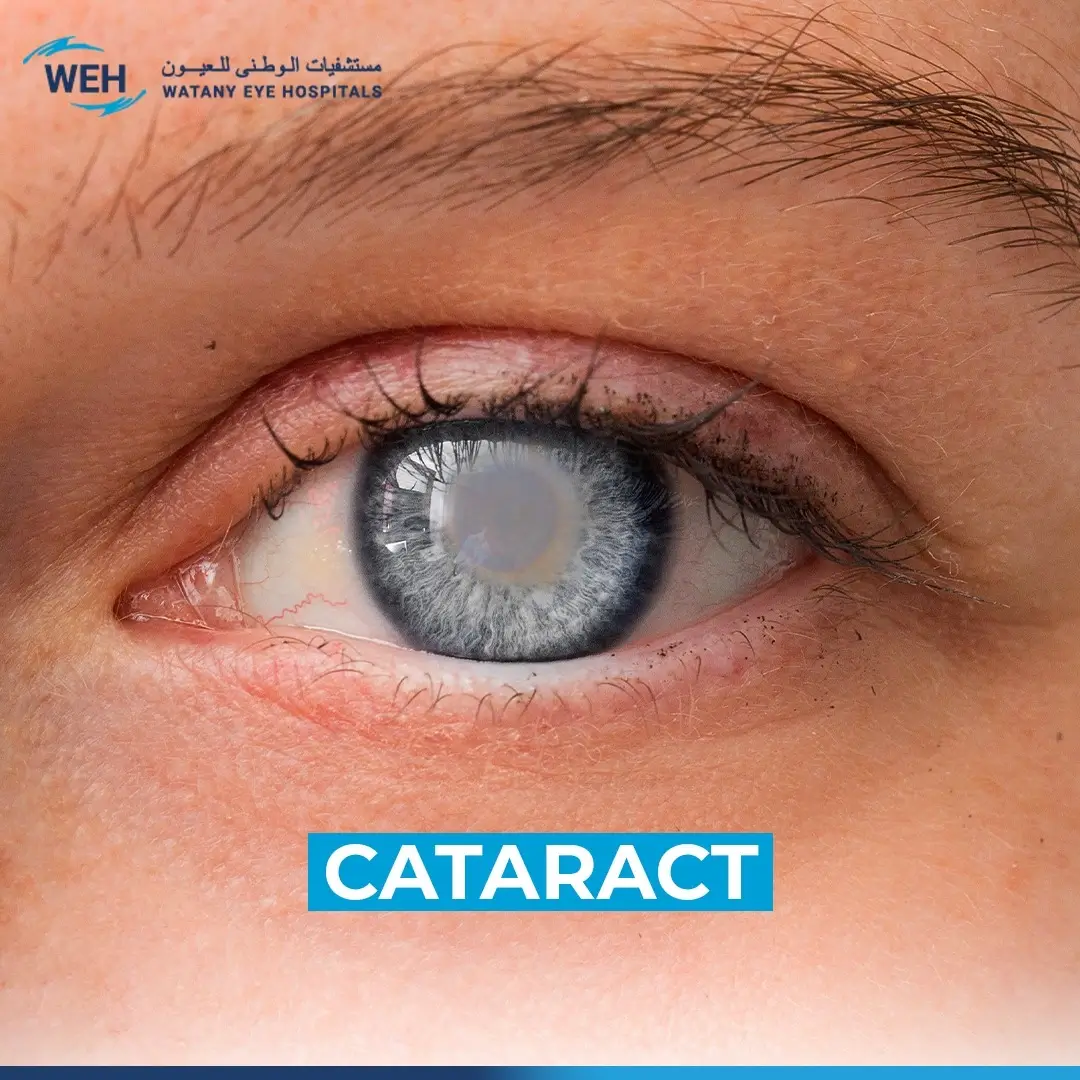
Cataracts occur when the eye’s natural lens, normally clear, becomes cloudy or opaque, leading to gradual vision impairment. Cataracts most commonly develop with aging, but they can also result from injury, certain medical conditions such as diabetes, or the use of specific medications.
What Is Cataract Surgery?
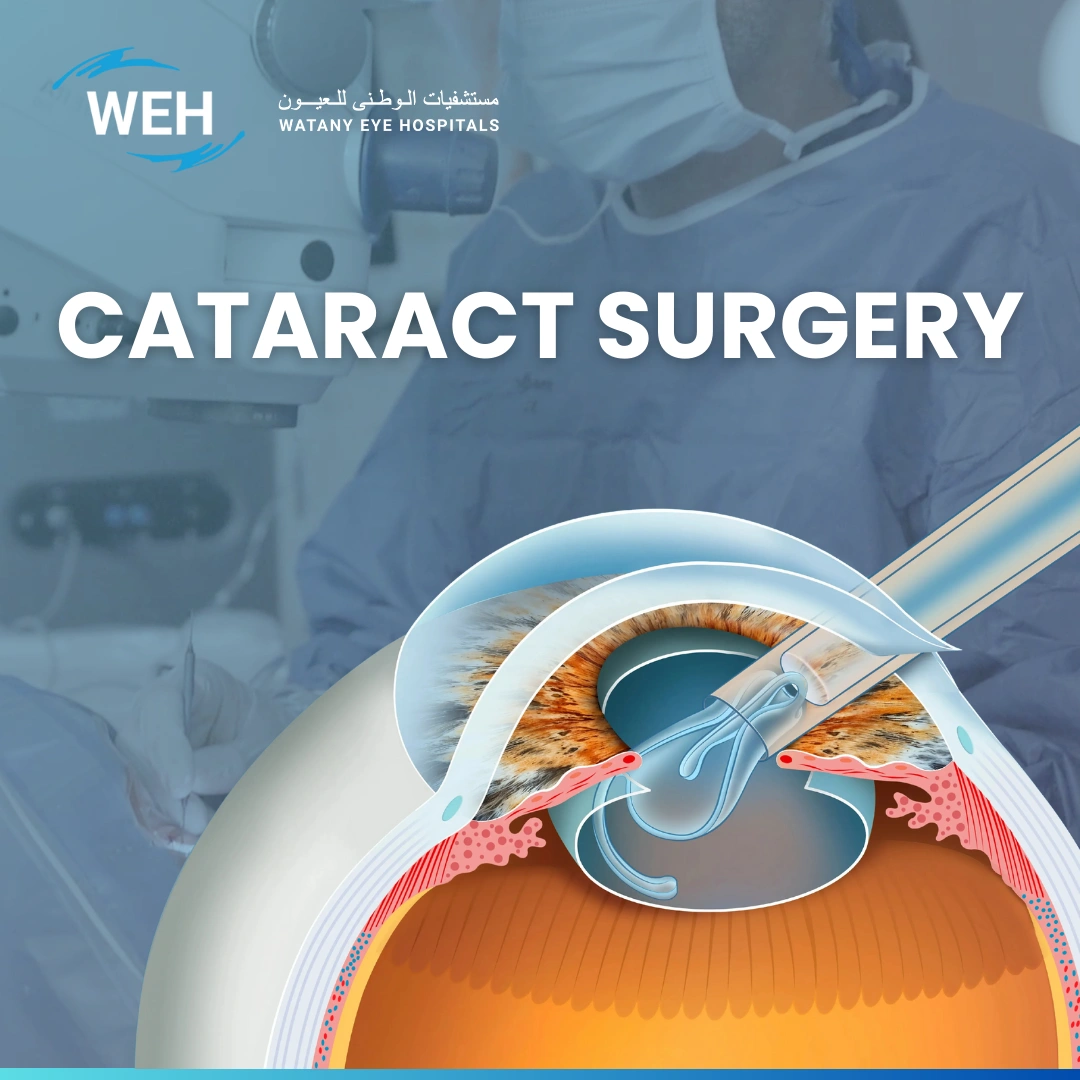
Cataracts are among the most common eye conditions, especially with advancing age, causing the lens to become cloudy and vision to gradually blur. Cataract surgery is the surgical solution that restores clear vision.
During the procedure, the cloudy natural lens is removed and replaced with a specially designed intraocular lens (IOL), which improves vision and often reduces the need for.
How is Cataract Surgery Performed?
Modern cataract surgery is a minimally invasive surgery performed under local anesthesia.
The goal is to remove the clouded lens and implant a new artificial lens.
Main steps of the surgery :
-
Application of local anaesthesia.
-
Creating a tiny incision in the cornea.
-
Breaking up the cloudy lens using phacoemulsification (ultrasound energy).
-
Removing the lens fragments.
-
Implanting a clear intraocular lens (IOL).
Patients often notice improved vision within 24 hours!
Who is the Ideal Candidate for Cataract Surgery?
Not every cataract requires immediate surgery, but when vision loss starts to interfere with everyday life, the surgery becomes necessary.
You may be a good candidate if you experience:
-
Persistent blurred or cloudy vision.
-
Difficulty driving at night due to glare.
-
Struggling with reading or watching TV.
-
Accelerated cataract progression in patients with diabetes or advanced age.
A thorough eye exam with a qualified ophthalmologist is crucial before moving forward.
Types of Cataract Surgery
There are several techniques available depending on the patient’s condition and the surgeon’s expertise:
-
Phacoemulsification (Phaco): Phacoemulsification is a modern cataract surgery where the cloudy lens is gently broken into tiny pieces using ultrasound and removed through a very small opening, then replaced with a clear artificial lens.
-
Femto-Cataract Surgery: This is an advanced technique that uses a precise laser to perform important steps of the surgery before removing the cloudy lens.
-
Extracapsular Cataract Extraction (ECCE): ECCE is an older cataract surgery method in which the cloudy lens is removed in one piece through a larger opening, usually used when modern techniques are not suitable.
Benefits of Cataract Surgery
Modern cataract surgery is one of the safest and most successful surgeries in ophthalmology.
Key benefits include:
-
Restoration of clear vision.
-
Improved color perception and contrast sensitivity.
-
Reduced dependence on glasses.
-
Enhanced quality of life and daily activities.
-
Improved Night Vision: Reduces glare and halos while driving at night.
Check Your Vision Today
Get in touch with us through our hotline or WhatsApp
Hotline
16112
WhatsApp
Chat on WhatsApp
Check Your Vision Today
Get in touch with us through our hotline or WhatsApp
Hotline
16112Potential Risks and Side Effects
Although cataract surgery is considered very safe, like any surgery, it carries some risks. It’s important for patients to be aware of these possibilities.
Possible complications:
-
Temporary increase in eye pressure.
-
Short-term blurred or decreased vision following the surgery.
Choosing an experienced surgeon and following post-op care instructions minimizes these risks.
Preparing for Cataract Surgery
Successful outcomes depend on careful preoperative planning. Your surgeon will recommend specific steps before surgery.
Preparation may include:
-
Comprehensive eye examination and measurements.
-
Adjustment of systemic medications (e.g., blood thinners).
-
Medical history review: Inform your doctor of any chronic conditions (such as diabetes or high blood pressure) and any medications you are taking.
-
Starting antibiotic eye drops before surgery.
-
Fasting for a few hours prior to the surgery .
What to Expect on Surgery Day
The surgery is straightforward and does not require an overnight hospital stay.
-
The patient is admitted and prepared under sterile conditions.
-
Surgery typically lasts 15–20 minutes.
-
The eye is protected with a shield or bandage before discharge.
Cataract Surgery Recovery Time
The recovery time after cataract surgery varies, but most patients notice vision improvement within a few days.
-
First week: gradual healing and reduced discomfort.
-
2 weeks: most patients can return to regular activities.
-
4–6 weeks: full stabilization of vision.
Most people are back to work within 24–48 hrs.
Cost of Cataract Surgery
The cost of cataract surgery varies depending on several factors:
1) Surgeon's Experience
2) Type of Intraocular Lens (IOL) – Different lenses are available depending on the patient’s needs:
-
Monofocal Lens: Focuses on a single distance, usually for distance vision. Patients may still need glasses for reading.
-
Multifocal Lens: Allows near, intermediate and far vision in many cases without the need for glasses.
-
Toric Lens: Corrects astigmatism and improves visual clarity.
Comparison: Cataract Surgery vs. Other Vision Correction Options
-
Cataract Surgery: Removes the cloudy lens and replaces it with an artificial lens, providing a permanent improvement in vision.
-
Femto-LASIK: An advanced laser-based version of LASIK, providing precise corneal reshaping, but not used for cataracts.
To know more about LASIK surgery, visit this link Lasik Surgery
- Lenses: A non-surgical, temporary solution for vision correction, but cannot resolve vision loss caused by cataracts.
Discuss alternatives with your eye care provider.
Choosing the Best Cataract Surgeon in Egypt
The choice of surgeon significantly impacts the success of the surgery. Always seek a highly experienced cataract surgeon with access to advanced technologies and a proven track record of successful outcomes.
Don’t hesitate to get a second opinion if needed.
Check Your Vision Today
Get in touch with us through our hotline or WhatsApp
Hotline
16112
WhatsApp
Chat on WhatsApp
Check Your Vision Today
Get in touch with us through our hotline or WhatsApp
Hotline
16112Latest Advances in Cataract Surgery
With the rapid advancements in ophthalmology, modern techniques in cataract surgery have made the surgery safer, faster, and more precise. These innovations not only reduce recovery time but also enhance visual outcomes and minimize the risks of complications.
Examples of the latest techniques include:
-
Femto-Cataract Surgery: Uses a highly precise laser instead of traditional blades to break down the lens.
-
Phacoemulsification (Phaco): The most common method, using ultrasound waves to emulsify and remove the cloudy lens.
-
Premium Intraocular Lenses (IOLs): Advanced lenses, such as multifocal or toric IOLs, designed to correct vision at multiple distances and treat astigmatism.
Success Stories and Patient Testimonials
Countless patients have regained their vision and quality of life thanks to cataract surgery. These real-life experiences serve as powerful reassurance for others considering the surgery .
Check our youtube channel for Watany patient testimonials
Frequently Asked Questions About Cataract Surgery
1) Is cataract surgery safe?
Yes, but it’s important to choose the right hospital and surgeon.
2) Is cataract surgery painful?
No, it is performed under local anesthesia.
3) When do I need it?
When your vision starts affecting your daily life.
4) Will I need the surgery again?
The artificial lens is permanent and usually does not need replacement. However, over time, a thin cloudy layer may form behind the lens, causing blurred vision. This can be easily treated with a simple, non-surgical procedure called YAG laser capsulotomy.
5) Are there eye drops that can treat cataracts?
Currently, no drops or medications can treat or dissolve cataracts. The only effective treatment is surgical removal of the cloudy lens and implantation of a new artificial lens.
6) How long does the surgery take?
About 15 to 20 minutes, and patients go home the same day.
7) When will I see clearly after surgery?
Most patients notice improvement within a few days, while full visual recovery may take 4 to 6 weeks.
Conclusion
Cataract surgery is one of the most common and safest eye surgeries worldwide. With proper preparation, choosing the right surgeon, and following post-operative care instructions, patients can achieve outstanding results and restore clear vision.
Check Your Vision Today
Get in touch with us through our hotline or WhatsApp
 Cataracts: Symptoms and Treatment