Strabismus in Children – A Comprehensive Guide for Diagnosis and Safe Treatment
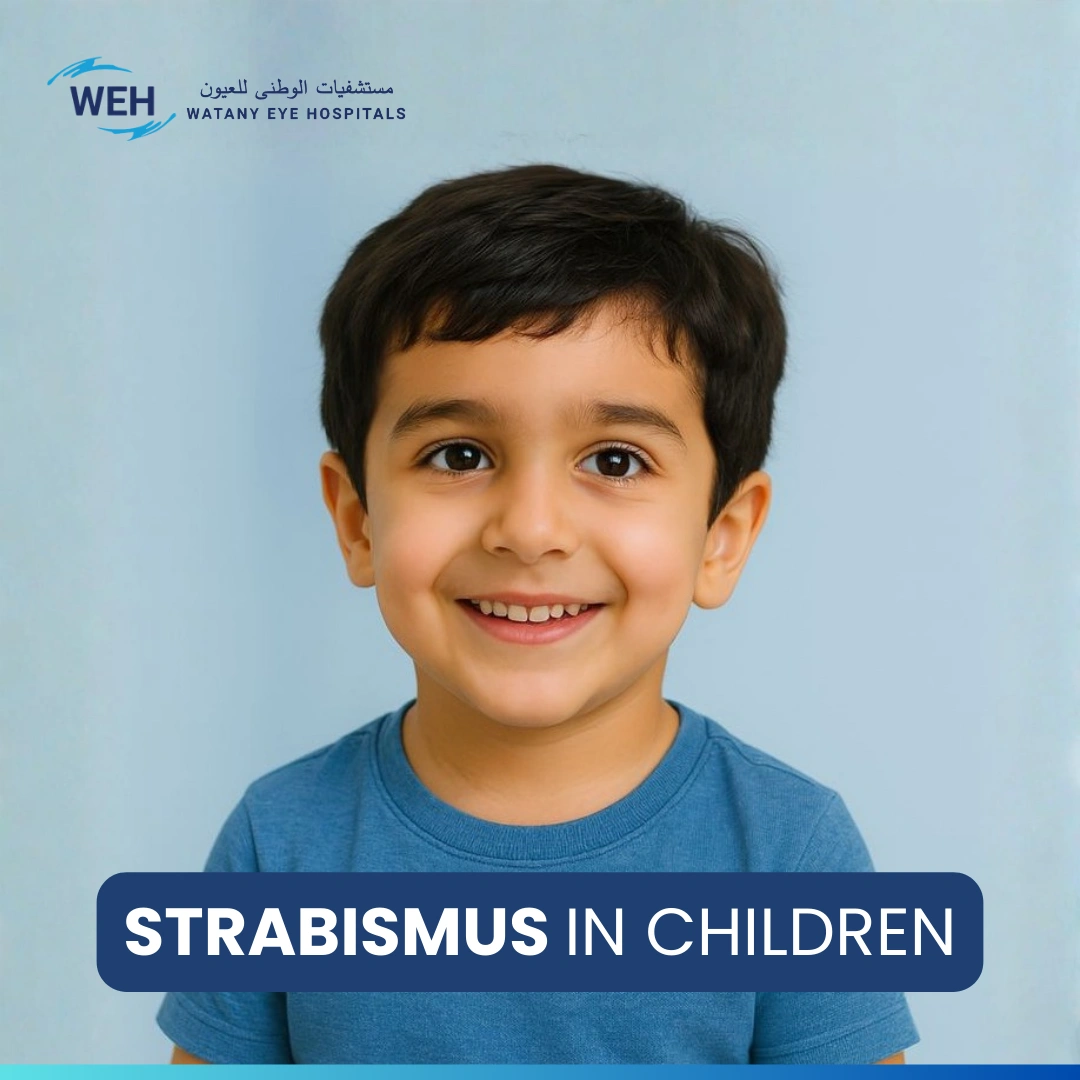
Strabismus in children refers to a condition where the eyes are not properly aligned, meaning each eye looks in a different direction. This eye misalignment can be constant or intermittent and may significantly affect the child's visual development. Recognizing early signs of eye misalignment is essential to prevent long-term vision issues. This guide aims to raise awareness, educate parents, and provide information about the safest and most advanced treatment options available in Egypt.
1. What Is Strabismus in Children and What Are Its Types?
Strabismus in children (squint or eye misalignment) occurs when one or both eyes deviate from the correct position when focusing on an object. The common types of strabismus in children include:
- Esotropia (inward turning): One eye turns inward toward the nose.
- Exotropia (outward turning): One eye turns outward, especially noticeable when the child is tired.
- Vertical strabismus: One eye moves up or down relative to the other.
- Pseudostrabismus: Appears as strabismus, but the eyes are actually aligned, often caused by a wide nasal bridge or facial features.
Each type requires careful diagnosis and a tailored treatment plan depending on severity and agee.
Symptoms of strabismus in children vary depending on its severity and type, but there are common signs that can help parents notice it early, including:
- Eye Misalignment:
- One or both eyes may not look in the same direction.
- The eye may turn inward (esotropia), outward (exotropia), upward, or downward.
- Head Tilting or Turning:
- The child may tilt or turn their head frequently to use their better eye or to reduce double vision.
- Closing or Covering One Eye:
- Especially in bright light or when trying to focus,the child may close one eye to see better.
- Difficulty Focusing or Blurred Vision:
- The child might have trouble focusing, see double, or may not complain because they rely on one eye unconsciously.
- Lazy Eye (Amblyopia):
- A common complication of strabismus where the brain "shuts off" the image from the misaligned eye, causing poor vision in that eye.
- Frequent Eye Rubbing or Noticeable Strabismus in Photos:
- You may notice the misalignment more in pictures or when the child is tired.
- Lack of Eye Coordination:
- The eyes don’t move together smoothly when following objects or tracking motion.
2. Causes of Strabismus in Kids
There are various causes of strabismus in kids, including:
- Genetic factors: Family history of strabismus increases the risk.
- Weakness in extraocular muscles: These muscles control eye movement, and any imbalance can lead to misalignment.
- Neurological problems: Affect the nerves that coordinate eye movements.
- Uncorrected vision issues: Severe hyperopia or myopia can cause the eyes to cross or drift.
- Congenital strabismus: Present at birth and often linked with other developmental eye issues.
- Head trauma or brain injury can also result in acquired strabismus.
Understanding the root cause is essential to plan an effective treatment.
Check Your Vision Today
Get in touch with us through our hotline or WhatsApp
Hotline
161123. When does strabismus appear, and does strabismus go away with age?
Strabismus may appear during the first few months of life. While pseudostrabismus may improve with facial growth, true strabismus usually does not go away with age and may worsen if left untreated.
- If misalignment continues beyond 6 months, it’s important to consult an eye consultant
Early intervention improves outcomes and prevents complications like amblyopia (lazy eye).
4. Lazy Eye vs Strabismus: What’s the Difference?
- Strabismus is a misalignment of the eyes due to muscle or nerve dysfunction.
- Lazy eye (amblyopia)is reduced vision in one eye caused by abnormal visual development in early childhood. It is often caused by untreated strabismus, a large difference in prescription between the eyes, or conditions that block vision like a cataract
Accurate eye tests for kids help differentiate between them and guide treatment.
5. How Is Strabismus Diagnosed in Children?
Diagnosis includes a full pediatric eye exam:
- Visual acuity test to check the strength of each eye.
- Eye movement tests to evaluate coordination.
- Examination of the retina and optic nerve.
A proper eye test for kids ensures early detection and tailored treatment.
6. Treatment for Childhood Strabismus
A. Non-Surgical Treatment for Strabismus:
- Corrective glasses to fix refractive errors.
- Patching (occlusion therapy): Covering the stronger eye to stimulate the weaker one.
B. Strabismus Surgery for Children:
- Recommended when non-surgical treatments fail.
- The surgery involves adjusting the eye muscles to realign the eyes.
- Watany Eye Hospitals offers safe and precise surgeries using the latest pediatric techniques.
C. Integrated Care at Watany Eye Hospitals:
- Comprehensive protocol from diagnosis to follow-up.
- Best pediatric ophthalmologists in Egypt to ensure world-class care.
- Child-friendly environment and personalized attention.
7. Does Strabismus Return After Treatment?
- Watany Eye Hospitals provide comprehensive treatment protocols that include examination, follow-up, and surgery.
- State-of-the-art diagnostic and treatment equipment for accurate and safe results.
- A sterile and safe environment with a highly specialized medical team in pediatric ophthalmology.
Check Your Vision Today
Get in touch with us through our hotline or WhatsApp
Hotline
161128. When to Visit a Pediatric Ophthalmologist?
Book an appointment if your child:
- Has visible eye misalignment.
- Frequently closes one eye or tilts their head to focus.
- Complaints of headaches or visual fatigue.
- Shows signs of delayed visual development.
The earlier the condition is addressed, the better the outcome.
Advice from Watany Eye Hospitals:
Don’t wait to take action, early detection of strabismus can prevent lifelong vision problems. At Watany Eye Hospitals, your child’s vision is in safe hands. Book a consultation today with the best pediatric ophthalmologists in Egypt and explore our advanced, safe, and effective solutions for strabismus in children.