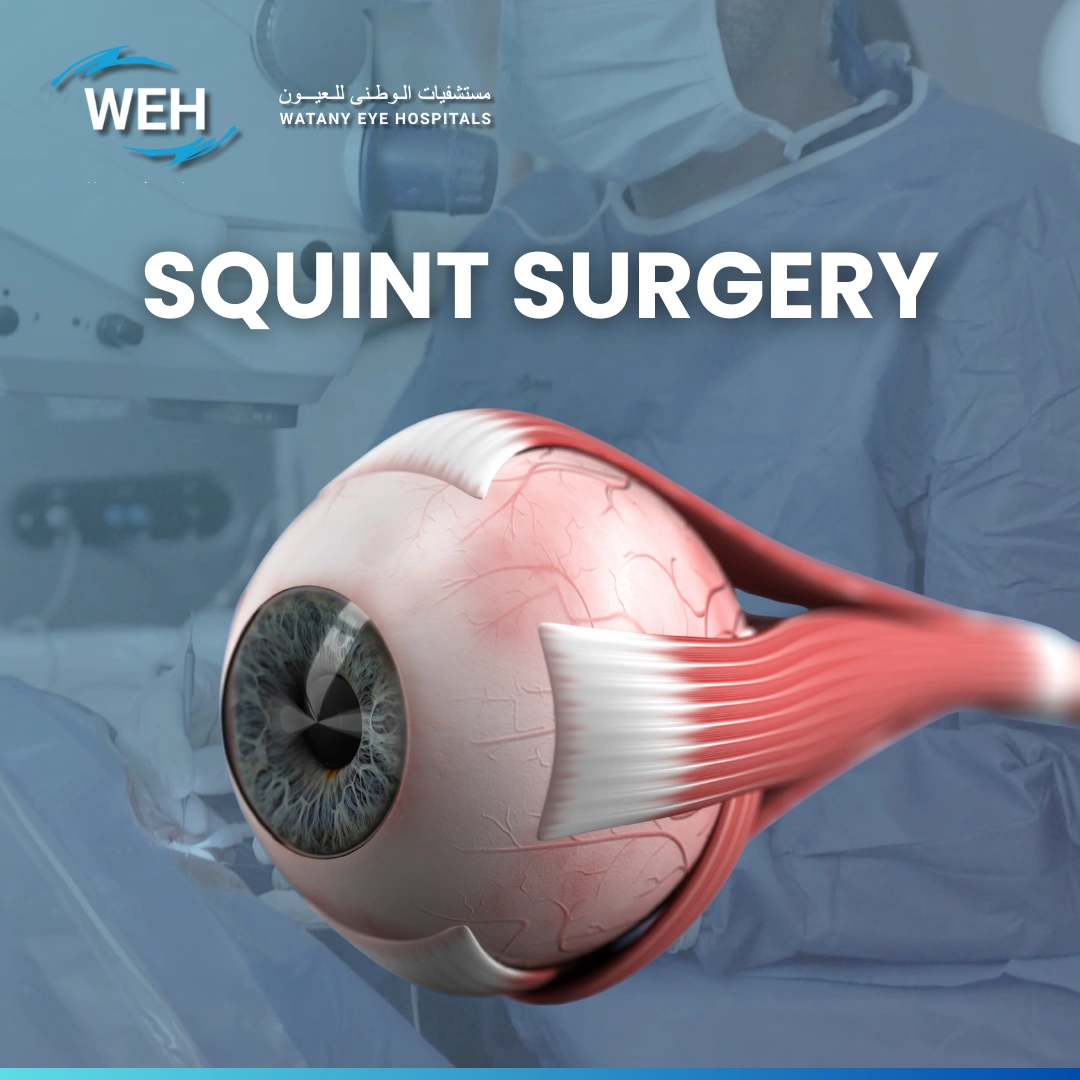
Strabismus Surgery
Everything You Need to Know Before, During, and After
Strabismus (commonly known as eye misalignment or squint) is one of the most common eye problems in children and can also affect adults. It occurs when the eyes are not aligned in the same direction, which can lead to double vision, reduced binocular vision, and cosmetic concerns.
In this article, we’ll cover in detail what strabismus surgery is, how it’s performed, preparation steps, recovery time, risks, success rates, and important tips before and after surgery.
What Is Strabismus Surgery?
Strabismus surgery is a delicate procedure that aims to correct the imbalance of the eye muscles, so the eyes are properly aligned.
The surgeon either shortens (tightens) the stronger muscles or relaxes the tighter muscles, helping the eyes work together in harmony.
Main Goals of the Surgery:
-
Improve the alignment and appearance of the eyes
-
Prevent amblyopia (lazy eye) in children
-
Restore binocular vision for better depth perception
-
Improve cosmetic appearance and boost self-confidence, especially in adults
Does Every Case of Strabismus Require Surgery?
No, surgery is not always the first option. The decision depends on:
- The patient’s age (early intervention is better for children)
- The type and severity of strabismus
- Response to non-surgical treatments such as:
-
Prescription glasses for refractive errors
-
Eye exercises
-
Eye patch therapy for lazy eye
-
If these treatments fail or if the misalignment is severe, surgery is often recommended.
Check Your Vision Today
Get in touch with us through our hotline or WhatsApp
Hotline
16112Types of Squint
According to the Direction of Eye Deviation
1. Esotropia (Inward Squint)
-
The eye turns inward toward the nose
-
It is the most common type among children
2. Exotropia (Outward Squint)
-
The eye turns outward toward the ear
-
It may appear during tiredness or loss of focus
3. Hypertropia (Upward Squint)
-
The affected eye is positioned higher than the normal eye
4. Hypotropia (Downward Squint)
-
The affected eye is positioned lower than the other one
According to the Time of Onset
1. Congenital / Infantile Squint
-
Appears at birth or within the first six months of life
2. Acquired Squint
-
Develops later in life due to poor vision, nerve or muscle problems, or following trauma
What to Expect: Before, During & After Squint Surgery
Results vary from one patient to another, but most notice a significant improvement in both appearance and visual function after surgery. Before-and-after photos often help families understand the positive impact of the procedure.
Before Surgery:
-
Comprehensive eye exam, including vision tests and retinal check
-
Inform your doctor about any chronic diseases or medications
-
Stop blood-thinning medications (if advised by your doctor)
-
Fasting for 6–8 hours before surgery
-
Psychological preparation for children to reduce anxiety
During Surgery:
-
General anesthesia for children; local or general anesthesia for adults
-
Procedure takes 30–60 minutes, depending on the case
-
The patient does not feel pain during the surgery
After Surgery:
-
Use prescribed antibiotic and anti-inflammatory eye drops
-
Avoid touching or rubbing the eyes
-
Limit screen time and avoid strenuous reading for a few days
-
Attend all follow-up visits to ensure proper healing
-
Avoid swimming or exposure to dust for at least 2 weeks
-
Most patients return to school or work after about one week
-
Sports activities should be delayed as per doctor’s advice
Success Rate of Strabismus Surgery
Strabismus surgery is one of the most successful eye surgeries, with a success rate of 80–90% when performed by experienced strabismus surgeons.
The outcome depends on:
-
Patient’s age (children usually respond better than adults)
-
Type and severity of strabismus
-
Presence of other eye conditions
In some cases, a second surgery may be needed to fine-tune the alignment, which is considered normal.
Following pre- and post-operative instructions greatly improves success rates and reduces complications.
Recovery After Strabismus Surgery
-
Most patients resume normal daily activities within a few days
-
Mild redness or swelling usually lasts 1–2 weeks
-
Full recovery and stable results are usually achieved within 3–4 weeks
Is Strabismus Surgery Dangerous?
Strabismus surgery is considered safe and highly effective, especially when performed by a specialized surgeon in a well-equipped eye center.
Rare risks may include:
-
Mild infection
-
Temporary double vision
-
Rarely, the need for additional surgery
Possible Complications
While complications are rare, they may include:
-
Temporary redness or swelling
-
Double vision for a few days or weeks
-
Rarely: mild infection
-
In some cases: repeat surgery for better results
Adhering to post-operative instructions and regular follow-ups significantly reduces the risk of complications.
How to Avoid Strabismus Surgery Failure
-
Choose an experienced surgeon specialized in strabismus
-
Complete all required pre-operative tests
-
Follow instructions before and after surgery
-
Attend follow-up appointments
-
Avoid eye strain during recovery
When Does a Child Need Strabismus Surgery?
Surgery is recommended if:
-
Non-surgical treatments have failed
-
Strabismus persists
-
There’s a risk of amblyopia (lazy eye)
-
The condition affects psychological or social well-being
Early intervention increases success rates and prevents permanent complications.
Can Strabismus Return After Surgery?
Most patients (around 80–90%) achieve stable correction.
In some cases, partial recurrence may occur months or years later, especially if the condition was severe or untreated early.
This can usually be corrected with additional surgery or complementary treatments such as glasses, prism lenses, or vision therapy.
Frequently Asked Questions About Strabismus Surgery
1) Is strabismus surgery painful?
No. It is performed under general anesthesia for children or local anesthesia for adults.
2) How long does the surgery take?
Typically 30–60 minutes.
3) When will the results appear?
Improvement is often immediate, but full stabilization may take a few weeks.
4) Can strabismus recur after surgery?
Most patients achieve stable correction, but some cases may need revision or additional therapy.
5) Will I need glasses after surgery?
In some cases, yes, depending on the cause of strabismus.
6) When can I resume daily activities?
Most patients return to normal routines within a week, avoiding swimming and dusty environments.
Success Stories and Patient Experiences
At Watany Eye Hospitals, real patient stories highlight the transformative impact of squint surgeries.
These journeys reflect renewed confidence, comfort, and vision clarity.
check our youtube channel for Watany patient testimonials
External Source
To learn more, visit:
Mayo Clinic
For squint surgeries
Watany Eye Hospitals Advice
Early detection and treatment of strabismus in children are key to successful outcomes and healthy vision.
Check Your Vision Today
Get in touch with us through our hotline or WhatsApp
 Strabismus in Children