At Watany Eye Hospitals, we are committed to bringing our patients the latest and most effective treatments. Dry eye disease is one of the most common conditions affecting people today, and for many, traditional treatments like artificial tears or medications only offer temporary relief. Now, there's a groundbreaking solution: Intense Pulsed Light (IPL) Therapy - an advanced technique offering long-term improvement. Intense Pulsed Light (IPL) therapy is an advanced treatment that uses controlled light pulses applied to the skin around the eyes. It works by stimulating the meibomian glands to improve the secretion of oils needed for healthy tears. Studies have proven its effectiveness in enhancing meibomian gland function, reducing chronic inflammation, and regulating small blood vessels that can contribute to eye irritation. Originally, IPL was developed for dermatology to treat conditions like acne, rosacea, and skin rejuvenation. However, research has shown it also significantly improves eyelid gland function. These glands produce the oily layer of the tear film, which prevents rapid tear evaporation. As a result, IPL has become a highly effective, non-surgical option to restore the natural tear balance and reduce inflammation associated with chronic dry eye, especially when traditional treatments like eye drops alone are insufficient.
How Does IPL Treat Dry Eyes?
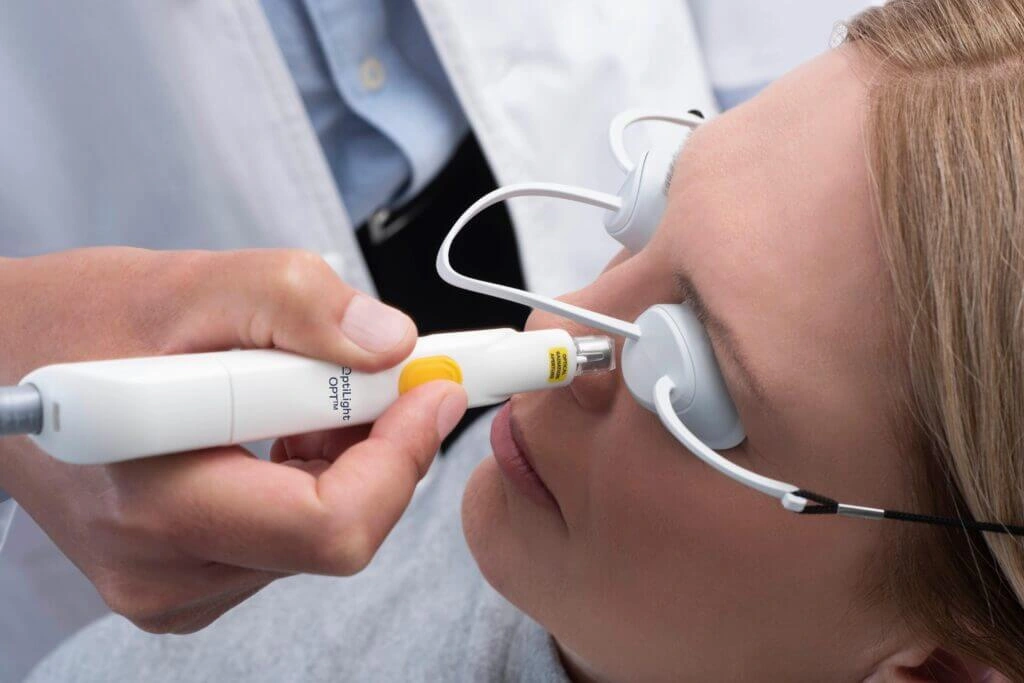
IPL therapy for dry eye involves directing precise pulses of light onto the skin below the eyes (not directly on the eyelids). The light penetrates the skin layers and works on multiple levels:
Stimulating the Meibomian Glands: It boosts gland activity, helping them produce oils naturally. This improves the quality of the tear film and reduces tear evaporation.
Reducing Inflammation: IPL helps decrease inflammation around the eyes and eyelid margins, promoting faster healing.
Regulating Blood Vessels: The treatment reduces abnormal blood vessel growth, which can otherwise contribute to chronic eye irritation.
Who is a Good Candidate for IPL Dry Eye Treatment?
IPL therapy is especially suited for patients whose dry eye is linked to specific eyelid or gland issues, including:
Patients with Evaporative Dry Eye: Caused by meibomian gland dysfunction, where the oily layer of the tears is insufficient.
Patients with Chronic Blepharitis: Particularly those with blocked or damaged meibomian glands.
Patients with Rosacea: Rosacea can cause chronic inflammation of the small blood vessels around the eyes, leading to dry eye. IPL can be highly beneficial for these patients.
Patients Who Have Not Responded to Traditional Treatments: Those who still experience significant symptoms despite using lubricating drops, warm compresses, lid hygiene, or anti-inflammatory medications.
Patients Seeking a Long-Term, Non-Surgical Solution: Individuals looking to reduce their daily dependence on eye drops or topical treatments.
Key Benefits of IPL for Dry Eye
Addresses the Root Cause: Unlike eye drops that offer temporary relief, IPL targets the underlying dysfunction of the meibomian glands.
Stimulates Natural Oil Production: It reactivates the glands to produce the protective oily layer needed for healthy tears.
Reduces Chronic Inflammation: Helping to create a healthier environment for the eyes.
Decreases Bacteria and Parasites (like Demodex): IPL reduces microorganisms that can cause eyelid inflammation and disrupt oil production.
Long-Lasting Results: Improvements can last for several months, minimizing the need for daily treatment.
Safe and Non-Invasive: Sessions are quick, virtually painless, and performed entirely in the clinic without surgery or downtime.
Improves Vision Quality: A healthier tear film leads to a smoother eye surface, potentially reducing blurred vision.
What to Expect During an IPL Treatment Session?
IPL therapy is a simple, safe, and relatively quick in-office procedure. Here's how it works:
Step 1: Eye Examination: The doctor performs a detailed eye and eyelid assessment to determine the severity of dry eye and gland blockage.
Step 2: Preparing the Skin and Eyes: A cooling gel is applied under the eyes, and protective shields are placed over the eyes.
Step 3: Applying Light Pulses: The doctor uses the IPL device to deliver gentle pulses of light to the skin below the eyes.
Step 4: Eyelid Massage (Optional): In some cases, a gentle eyelid massage is done afterward to help release trapped oils.
Session Duration: Each session lasts about 10-15 minutes. Patients can resume normal activities immediately afterward.
Number of Sessions Needed: Typically, 3 to 4 sessions are required, spaced 2 to 4 weeks apart, depending on the condition's severity.
Treatment Results and Effectiveness
IPL therapy has shown excellent results, particularly in cases of Meibomian Gland Dysfunction (MGD)—a major cause of evaporative dry eye. Improvements often become noticeable after the second or third session, with patients reporting:
- Significant improvement in eye hydration.
- Reduced burning and itching sensations.
- Better tear quality with less evaporation.
- Increased comfort when using digital screens or contact lenses.
Most patients need 3 to 4 initial sessions, with follow-up treatments every 6 months to maintain results if necessary.
Comparing IPL to Traditional Dry Eye Treatments
The management of dry eye has evolved, and IPL offers a more comprehensive solution compared to traditional treatments. Here's how IPL differs:
Target: Traditional treatments (eye drops, warm compresses, antibiotics) mainly address symptoms. IPL targets the root cause—blocked meibomian glands.
Effectiveness: Traditional methods provide short-term relief and require continuous use. IPL offers longer-lasting results after a few sessions.
Patient Experience: Traditional treatments offer slow, modest improvements. IPL provides faster, more significant symptom relief.
Treatment Duration: Traditional methods require indefinite daily care. IPL typically involves a fixed course of 3–4 sessions.
Patient Dependence: Traditional care relies heavily on patient adherence. IPL treatments are clinic-based and doctor-administered.
Long-Term Cost: Traditional treatments may seem cheaper initially but are costly over time. IPL has a higher upfront cost but may save money in the long run.
Side Effects: Traditional treatments can sometimes cause irritation or allergic reactions. IPL side effects are minimal, usually limited to mild redness or warmth that resolves quickly.
Getting Started with IPL Treatment
Initial Evaluation:
A thorough assessment by one of our ophthalmologists is necessary to confirm your suitability for IPL. They will review your medical history and screen for any conditions that could affect the treatment.
Booking an Appointment:
To schedule your IPL consultation, call 16112. Early booking is recommended to secure a convenient time slot.
Recommended Number of Sessions:
Typically, 4–6 sessions are needed, spaced 2–4 weeks apart. Maintenance sessions may be advised every 6 months, depending on your condition and the doctor's recommendations.


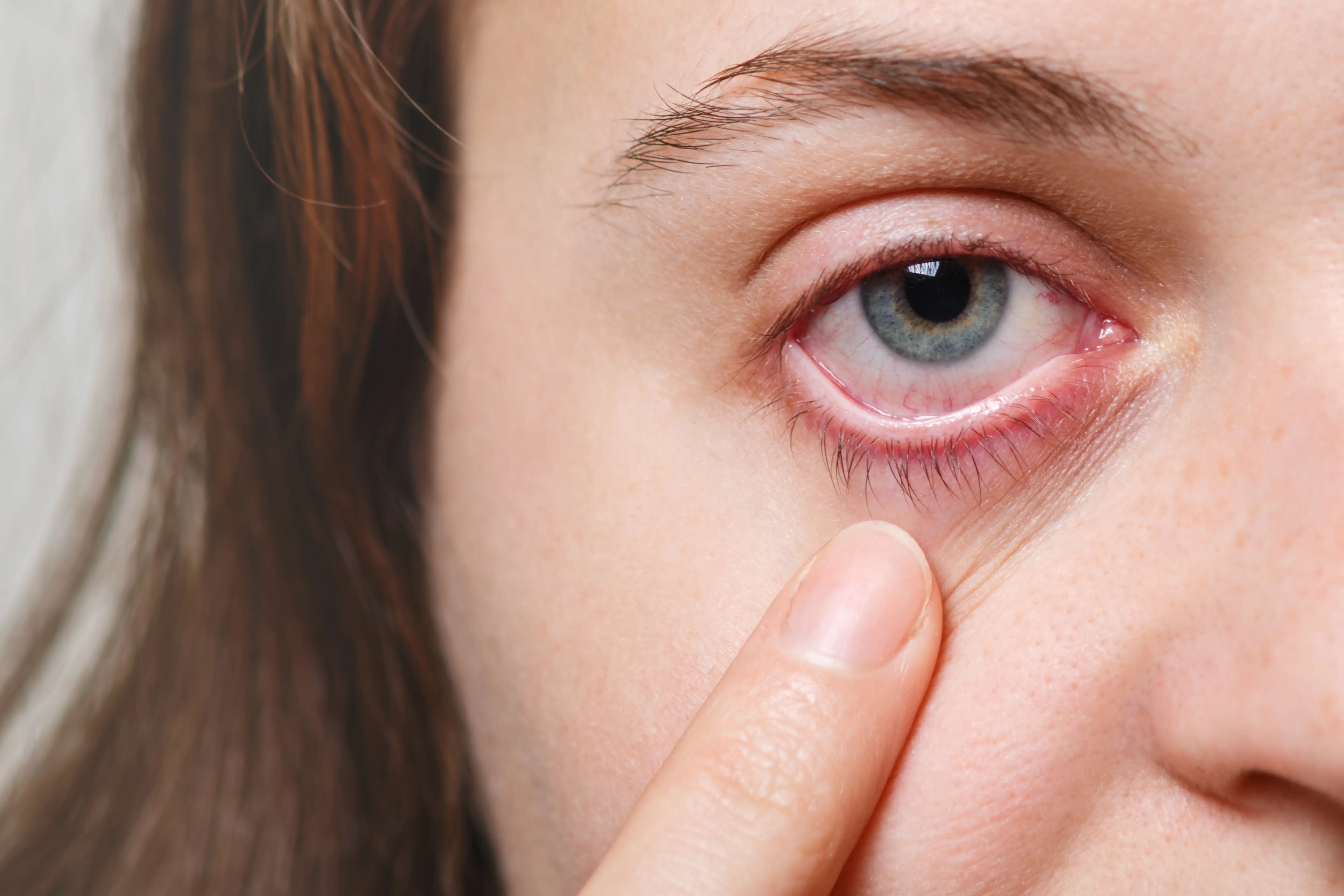 Dry Eye: Symptoms, Causes, and Treatment